Featured
The Lasting Effects on How to Protect Yourself From Financial Scams When in Debt Decisions PDFs
Table of Contents
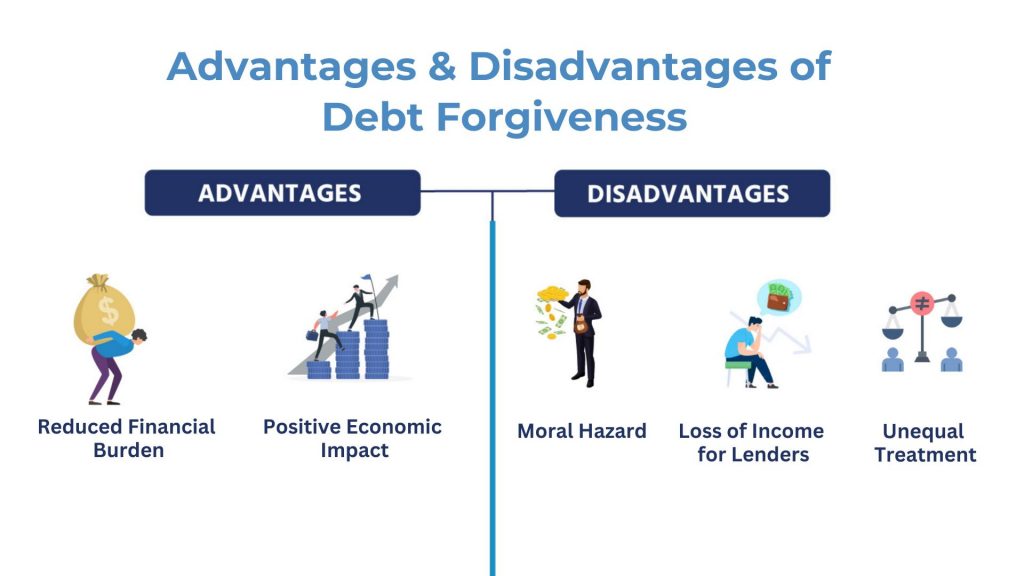
That releases up cash in the short term, and you may have three to four years to save toward the negotiation amount. Very hazardous to credit history, mostly due to missed settlements and an adverse "cleared up" mark that might remain on your debt record for as much as seven yearsMay be only choice if various other choices (financial debt combination, equilibrium transfer bank card, debt forgiveness) aren't possibleTypically calls for a fee to the third event, which might offset some or all of the cost savings from debt settlementMay aid you stay clear of personal bankruptcy if you've missed out on numerous paymentsNot all lenders deal with financial obligation negotiation firms Financial debt mercy may be ideal for you if you are experiencing a monetary challenge that makes it nearly difficult to pay for your financial obligation equilibriums.
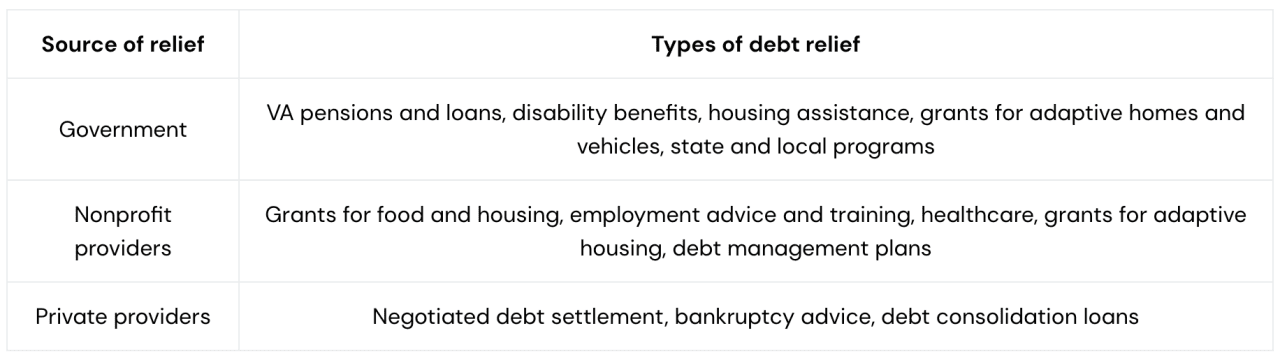
With a DMP, you make one month-to-month settlement to the credit scores therapy firm. Those funds are then distributed to lenders of your unsafe financial debts, such as charge card and installment loans. The company collaborates with your lenders to lower rates of interest or waive fees, yet some financial institutions may reject such giving ins.
It can assist you pay down financial obligation if you're able to secure a lending rate that's reduced than the average rate of the accounts you're combining. You need to refrain from racking up financial debt on those freshly gotten rid of accounts or your debt could expand also greater.
That gives you lots of time to eliminate or considerably lower your equilibrium while making interest-free settlements.
What the Law Says Under State Law Can Be Fun For Everyone
You might require it if your lender or a debt collection agency ever before tries to gather on the financial debt in the future. The letter can confirm you do not owe what the collection company's records reveal. Yes, most of the times, the internal revenue service considers forgiven debt as taxable income. When a lender forgives $600 or more, they are required to send you Form 1099-C.
Debt mercy or settlement generally hurts your credit history. Anytime you clear up a debt for much less than you owe, it may show up as "worked out" on your credit scores record and impact your credit report for 7 years from the day of settlement. Your credit history can also go down significantly in the months causing the forgiveness if you fall back on repayments.
Fascination About Forms of How to Protect Yourself From Financial Scams When in Debt You May Know About
Tax financial obligation concession programs Tax financial debt takes place when the quantity of tax obligations you owe exceeds what you have actually paid. This situation commonly results from underreporting revenue, not submitting returns in a timely manner, or discrepancies discovered during an IRS audit. The effects of collecting tax financial obligation are serious and can include tax obligation liens, which provide the IRS a lawful insurance claim to your home as safety and security for the financial obligation.
Wages and Bank Accounts Internal revenue service can levy (seize) earnings and bank accounts to satisfy the debt. Residential property Seizure In severe instances, the Internal revenue service can take and sell property to cover the debt.
Social Stigma Facing lawful activity from the Internal revenue service can carry social preconception. Employment Opportunities An inadequate credit rating score due to tax financial obligation can limit employment opportunities. Government Advantages Tax obligation financial debt might impact eligibility for federal government advantages, such as Social Safety and Medicaid.
A Biased View of Debtor Rights Under State Law
The OIC thinks about numerous aspects, consisting of the taxpayer's income, costs, possession equity, and capacity to pay. Successfully negotiating an OIC can be complex, requiring a detailed understanding of the internal revenue service's standards and a solid disagreement for why your deal lines up with your ability to pay. It is necessary to keep in mind that not all applications are accepted, and the procedure calls for detailed monetary disclosure.
The internal revenue service evaluates your general financial situation, including your revenue, expenditures, asset equity, and capability to pay. You must likewise be existing with all declaring and settlement requirements and not remain in an open bankruptcy case. The IRS likewise considers your compliance history, reviewing whether you have a document of timely filing and paying tax obligations in previous years.
The Main Principles Of Continued Support and Community Support
The application process for a Deal in Compromise includes several comprehensive actions. First, you should complete and send IRS Form 656, the Deal in Compromise application, and Form 433-A (OIC), a collection details statement for individuals. These forms require thorough economic information, including information concerning your earnings, financial obligations, costs, and properties.
Back taxes, which are unpaid tax obligations from previous years, can considerably raise your overall IRS debt if not resolved quickly. This financial debt can accrue interest and late repayment penalties, making the initial amount owed a lot larger with time. Failing to repay tax obligations can cause the IRS taking enforcement actions, such as providing a tax lien or levy against your residential or commercial property.
It is crucial to address back tax obligations as quickly as feasible, either by paying the total owed or by preparing a layaway plan with the IRS. By taking proactive actions, you can prevent the accumulation of extra interest and penalties, and protect against extra aggressive collection activities by the internal revenue service.
One common reason is the idea that the taxpayer can pay the full quantity either as a round figure or through a payment strategy. The internal revenue service additionally thinks about the taxpayer's revenue, expenditures, property equity, and future earning potential. If these elements suggest that the taxpayer can manage to pay even more than the provided quantity, the internal revenue service is most likely to turn down the offer.
Maintaining a Sustainable Financial Plan That Works Can Be Fun For Everyone
Dealing with IRS financial obligation can be intricate and overwhelming. Tax experts, such as Certified public accountants, tax obligation attorneys, or enrolled agents, can provide indispensable assistance.

Latest Posts

Steps for Filing for Personal Bankruptcy in 2026

Ways to Stop Unwanted Harassment From Credit Collectors
Qualified Insolvency Counseling for 2026 Debtors